Preparing your plumbing for Longmont winter: tips and tricks
Get your plumbing ready for winter in Longmont with these essential tips and tricks to avoid costly repairs and ensure a warm home.
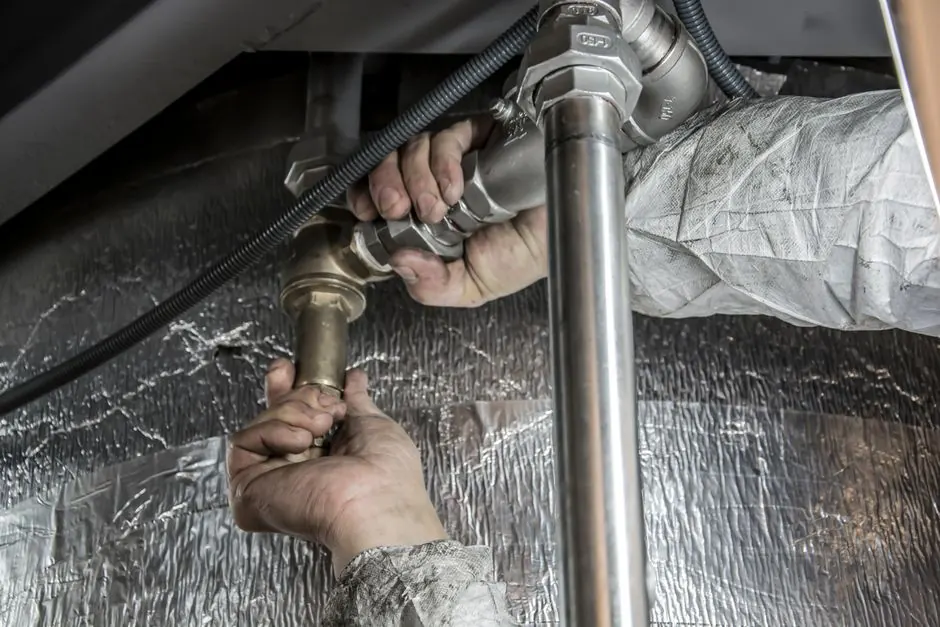
Preparing your plumbing for winter in Longmont is essential to prevent freezing and costly repairs. Proper preparation ensures that your plumbing system remains functional throughout the cold months.
Winter in Longmont can bring extreme cold, with temperatures often dropping below freezing. This makes it crucial to take proactive steps to protect your plumbing. In this guide, we will explore effective ways to prepare your plumbing for the winter season, ensuring your home stays warm and your plumbing operates smoothly.
Why is winter plumbing preparation important?
Winter plumbing preparation is necessary to prevent issues like frozen pipes, which can lead to significant water damage and costly repairs. A frozen pipe can burst, causing water to flood your home and damaging walls, floors, and personal belongings.
How to insulate your pipes
Insulating your pipes is one of the most effective ways to prevent freezing. You can use foam pipe insulation, which is easy to install and provides excellent protection. Focus on areas where pipes are exposed to cold air, such as:
- Basements
- Crawl spaces
- Attics
- Garages
Additionally, consider wrapping pipes in heated tape for extra protection. This is particularly useful in areas prone to extreme cold.
What to check before winter hits
Before winter arrives, perform a thorough inspection of your plumbing system. Key areas to focus on include:
- Checking for leaks: Look for any signs of leaks around faucets, toilets, and under sinks.
- Inspecting your water heater: Ensure it's functioning properly and consider flushing it to remove sediment buildup.
- Examining your sump pump: Test it to ensure it can handle melting snow and rain.
Addressing these issues early can save you from emergency plumbing situations later in the season. Many homeowners in Longmont turn to residential plumbing services for routine inspections.
How to prevent frozen pipes
To prevent frozen pipes, keep your home heated to at least 55°F, even when you're away. Open cabinet doors to allow warm air to circulate around plumbing fixtures, especially those located on exterior walls. If you anticipate extremely cold temperatures, let faucets drip slightly to keep water moving through the pipes.
For homes in Old Town Longmont, where older plumbing systems are common, these preventative measures are especially critical. Older pipes may be more susceptible to freezing.
Common mistakes
When preparing plumbing for winter, homeowners often overlook several critical steps:
- Failing to insulate pipes properly, particularly in unheated areas.
- Neglecting to check for existing leaks before winter.
- Not maintaining the water heater, leading to potential failures during peak usage times.
Avoiding these common mistakes can significantly reduce the risk of winter plumbing problems.
When to call a professional
If you encounter persistent plumbing issues or if you're unsure about the condition of your plumbing system, it's wise to contact a professional. Lamas Plumbing offers expert services in Longmont, ensuring your plumbing is ready for winter. Regular maintenance can prevent costly repairs and ensure your home remains safe and functional through the cold months.
Frequently Asked Questions
1. What temperature do pipes freeze? Pipes typically freeze when temperatures drop below 20°F. However, factors like insulation and wind chill can affect this.
2. How can I tell if my pipes are frozen? Signs of frozen pipes include no water flow, frost on pipes, and unusual sounds when turning on faucets.
3. What should I do if my pipes freeze? If you suspect frozen pipes, thaw them slowly using a hairdryer or heat tape. Never use an open flame.
4. How often should I inspect my plumbing? It's advisable to inspect your plumbing at least once a year, preferably before winter, to catch any potential issues early.
5. Can I insulate my pipes myself? Yes, insulating pipes is a DIY task that can be done using foam insulation or heat tape with minimal tools.