What to know about backflow prevention in Longmont
Learn why backflow prevention is crucial for Longmont residents and how to ensure your plumbing system remains safe and compliant.
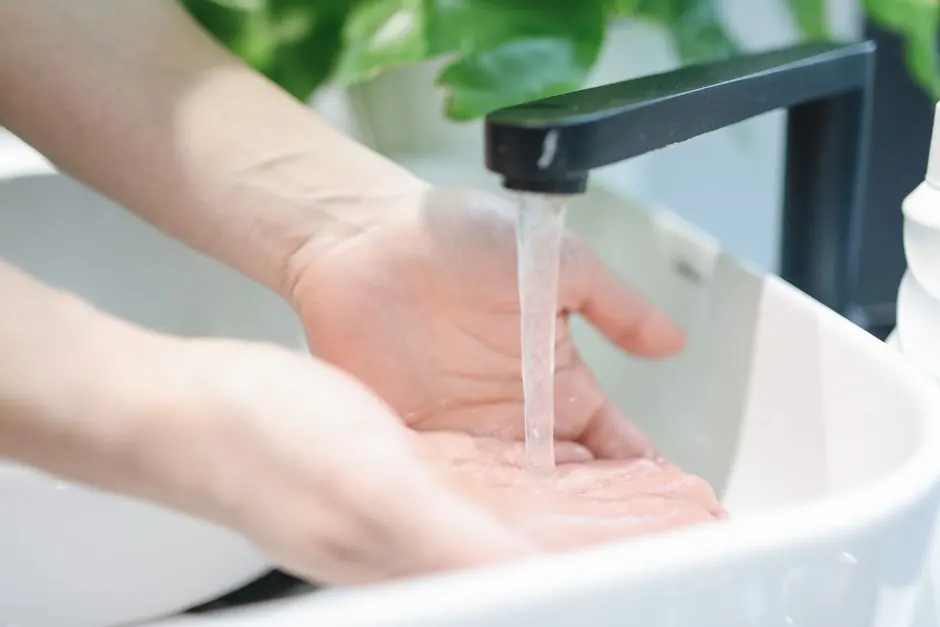
Backflow prevention is essential for maintaining safe drinking water in Longmont. It prevents contaminated water from flowing back into the clean water supply, protecting public health.
This article will cover the importance of backflow prevention, how backflow occurs, various prevention methods, common mistakes to avoid, and when to call a professional.
What is backflow prevention?
Backflow prevention is a method that stops the reverse flow of water from a contaminated source into the clean water supply. It's crucial for ensuring that drinking water remains safe and free from pollutants.
Why is backflow prevention important?
Backflow prevention is vital in Longmont to protect the community's water supply from contamination. Contaminated water can cause serious health risks, including waterborne diseases.
How does backflow occur?
Backflow can occur due to several factors, including:
- Changes in water pressure
- Pipe breaks
- Cross-connections between potable and non-potable water systems
In Longmont, older plumbing systems are particularly susceptible to these issues, making backflow prevention measures even more critical.
Backflow prevention methods
Several methods can be employed to prevent backflow:
- Air Gaps: This is the simplest method, involving a physical gap between the water supply and the potential contamination source.
- Backflow Prevention Devices: These include check valves and reduced pressure zone (RPZ) valves that automatically prevent backflow.
- Regular Testing: It's essential to have backflow prevention devices tested annually to ensure they function correctly.
For residents in Longmont, utilizing backflow prevention devices and maintaining them properly is crucial for safeguarding water quality.
Common mistakes in backflow prevention
Many homeowners make mistakes that can compromise backflow prevention efforts, such as:
- Neglecting regular testing of backflow devices
- Ignoring local plumbing codes and regulations
- Failing to identify cross-connections in plumbing systems
Awareness of these mistakes can help you maintain a safe plumbing system. For example, many properties in Old Town Longmont have outdated plumbing that may require updates to comply with current backflow prevention standards.
When to call a professional
If you suspect issues with your backflow prevention system or haven't had it tested in over a year, it's time to call a professional. Lamas Plumbing offers expert services for residential plumbing, including backflow prevention assessments and installations.
Frequently Asked Questions
What is the cost of backflow prevention testing in Longmont?
The typical cost for backflow prevention testing in Longmont ranges from $75 to $150, depending on the complexity of the system and local rates.
How often should backflow devices be tested?
Backflow devices should be tested at least once a year to ensure they are functioning correctly and to comply with local regulations.
Can I install a backflow prevention device myself?
While some homeowners may attempt to install backflow prevention devices, it's advisable to hire a licensed plumber to ensure proper installation and compliance with local codes.
What are the signs of backflow issues?
Signs of backflow issues include unusual odors in your water, discoloration, or a sudden drop in water pressure. If you notice any of these signs, contact a professional immediately.
Is backflow prevention required by law in Longmont?
Yes, backflow prevention is mandated by local plumbing codes in Longmont to protect the public water supply from contamination.